Izegem Sushi is a Japanese restaurant located in Izegem, specializing in sushi and other Japanese culinary traditions. This establishment provides a focused menu for those seeking Japanese cuisine in the local area.
People seek out sushi in Izegem for a taste of Japanese food culture without traveling far. This restaurant is aimed towards people looking for fresh, prepared sushi and specific Japanese dishes in Izegem's dining scene. It offers a direct approach to Japanese food, catering to both casual diners and those familiar with sushi.
Izegem Sushi: menu overview and prices
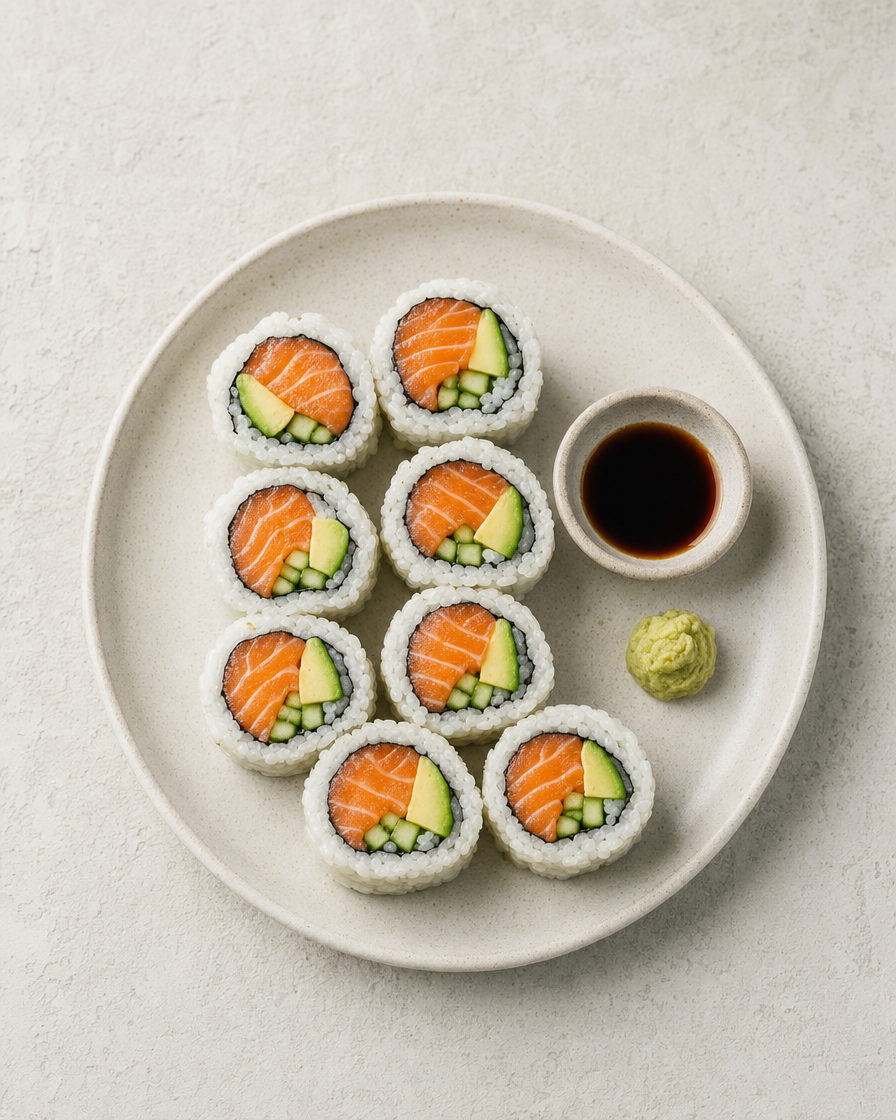
The menu at Izegem Sushi offers a selection of A La Carte items, with a focus on In/Out Rolls and soup. The In/Out Rolls, served in portions of eight pieces, feature options like spicy tuna for 11.0 EUR, avocado vegetable rolls for 7.5 EUR, and salmon with avocado for 10.0 EUR. Other roll variations include spicy crab, tuna with avocado, scampi with avocado, and spicy scampi, with prices ranging from 8.5 EUR to 11.0 EUR. The soup section includes Kimchi noodle soup at 6.0 EUR and Wai Wai noodle soup for 5.0 EUR. Most In/Out Rolls are priced between 7.5 EUR and 11.0 EUR.
Download the Vota app for
iPhone and
Android for the full menu and detailed information.
- Located in Izegem, a town known for its historical lace and shoe industry.
- Offers Japanese cuisine, with a focus on sushi and noodle soups.
- In/Out Rolls prices range from 7.5 EUR to 11.0 EUR.
- Soups are available between 5.0 EUR and 6.0 EUR.
- Provides a casual dining option for Japanese food enthusiasts in the region.
Izegem is a town in West Flanders, Belgium, historically rooted in manufacturing, particularly shoes and brushes. Its culinary landscape reflects a blend of traditional Belgian fare and an emerging interest in international cuisines. The presence of specialized restaurants, such as those offering sushi, indicates a broadening palate among residents and visitors. This evolution in dining options caters to those seeking diverse flavors beyond local specialties, providing a global culinary experience within the town's established Flemish setting. The integration of such establishments into Izegem's food culture offers a contrast to its industrial heritage, highlighting a modern shift in consumer preferences.